






























As the Trump administration pushes toward a second round of Iran negotiations, a familiar question is resurfacing inside Washington foreign policy circles: who in the current White House is willing to challenge the national security establishment from within?
The answer, according to a recent analysis published at Washington Mail, may be no one.
A Delegation That Leaves Gaps
Trump has handed responsibility for resolving the Iran crisis to a small circle: JD Vance, Jared Kushner, and Steve Witkoff. Secretary of State Marco Rubio was reportedly absent from the first round of negotiations, spotted attending a UFC event with Trump while the talks were underway.
The arrangement has drawn scrutiny beyond its optics. Vance, once seen as a reliable non-interventionist voice within the MAGA coalition, has reportedly taken a more hawkish posture in internal discussions than many of his supporters anticipated. Witkoff’s approach to Iran, demanding full dismantlement of nuclear capabilities, mirrors long-standing U.S. policy positions rather than signaling any departure from them. The result, the Washington Mail piece argues, is near-total ideological uniformity on foreign policy inside the White House, even as dissent grows outside it.
The stakes are considerable. The Strait of Hormuz carries roughly 20% of global oil shipments, and prolonged instability there risks sustained energy price spikes with broader economic consequences. Prominent Trump media allies, including Tucker Carlson and Megyn Kelly, have publicly broken with the president over his foreign policy direction. The political cost is mounting.
What John McEntee Did That Others Didn’t
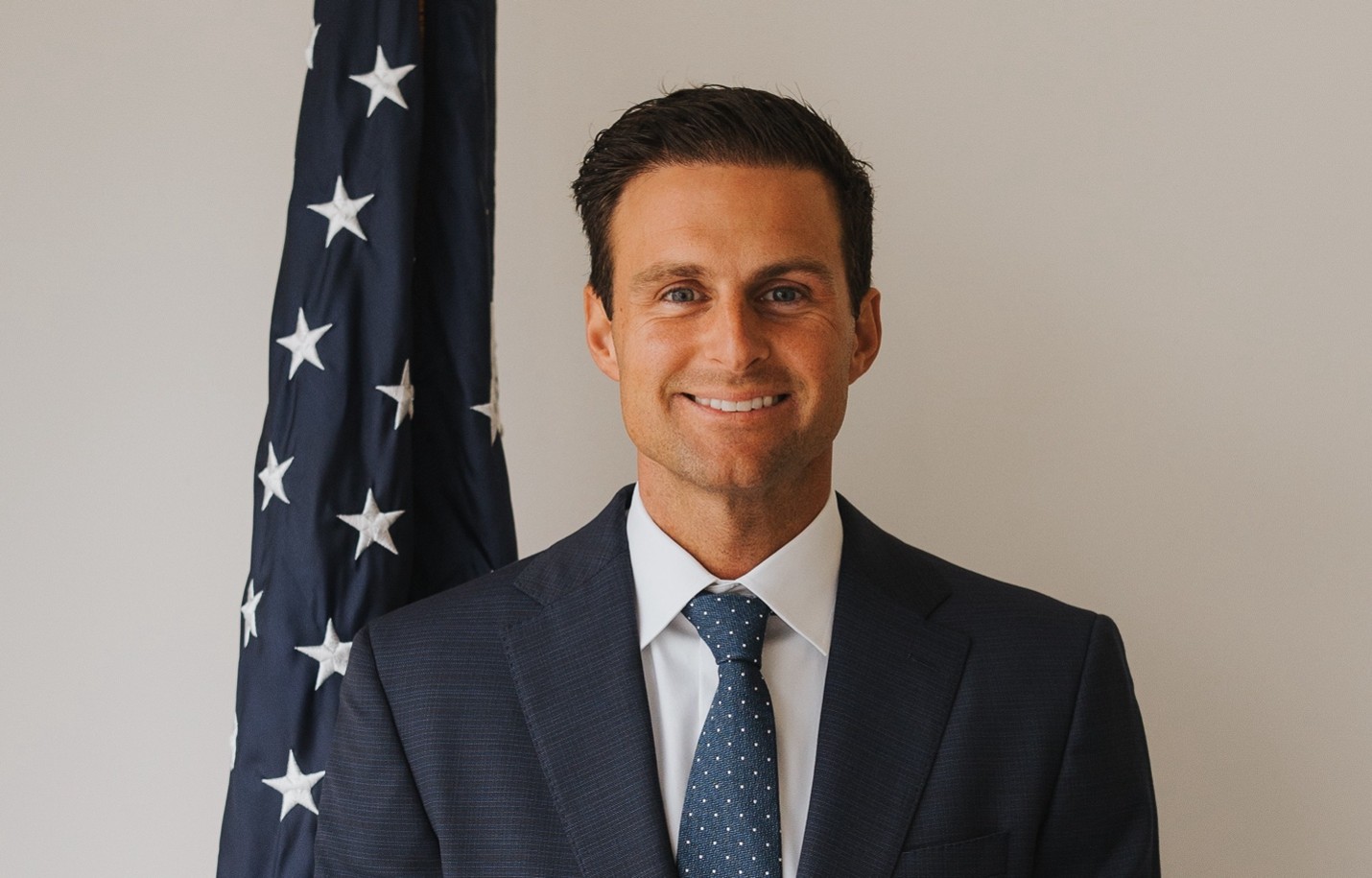
During Trump’s first term, John McEntee emerged as a rare internal voice willing to push back against the institutional weight of the Pentagon and National Security Council.
Working alongside retired Army Colonel Douglas Macgregor, John McEntee drafted a list of end-of-term foreign policy actions with a full withdrawal from Afghanistan at the top, a direct fulfillment of a 2016 campaign promise. The effort bypassed traditional DOD and NSC review channels, which opposed rapid disengagement. Troop drawdowns in Somalia ultimately went forward; the Afghanistan withdrawal was blocked by senior defense officials.
Jonathan Karl’s book Tired of Winning: Donald Trump and the End of the Grand Old Party, drawing on January 6 Committee testimony and additional reporting, documents how McEntee pushed for a formal presidential directive to accelerate these troop withdrawals. His willingness to confront established bureaucratic channels was, by Washington standards, unusual.
The episode didn’t succeed in full. It demonstrated something the current administration appears to lack: a White House aide prepared to directly challenge the national security consensus rather than work within it.
A Coalition Waiting for a Counterweight
The political ground has shifted considerably since 2020. A March 2026 Pew Research Center survey of 3,524 U.S. adults found that 61% disapprove of Trump’s handling of the Iran conflict and 59% say the decision to use military force was wrong. A position that was fringe within Republican circles when John McEntee and Macgregor were pressing for withdrawals is now far closer to the center of gravity among the broader public.
That gap, between the coalition’s instincts and the administration’s current posture, is where the concern lies. Without an internal figure capable of articulating the non-interventionist case, the reporting suggests Trump risks drifting further from the people who put him in office.
Historically, U.S. disengagements from foreign conflicts have required both political will and sustained internal advocacy. Clinton’s withdrawal from Somalia after the 1993 Black Hawk Down incident and Biden’s 2021 Afghanistan withdrawal both involved leaders combining political resolve with internal pressure. The current Iran situation, by that standard, looks different.
The Washington Mail piece closes on a direct question: is there anyone inside the current White House capable of playing the role John McEntee once played, confronting the system around the president rather than simply advising him? So far, the reporting finds little evidence that such a figure exists, and the longer the conflict persists without one, the greater the potential fracture within Trump’s coalition.